Galaxy Minerals supplies abrasive slag, a blasting material made through a steel slag atomizing process. Explore product information and available grades to find a suitable option for your blasting requirements.
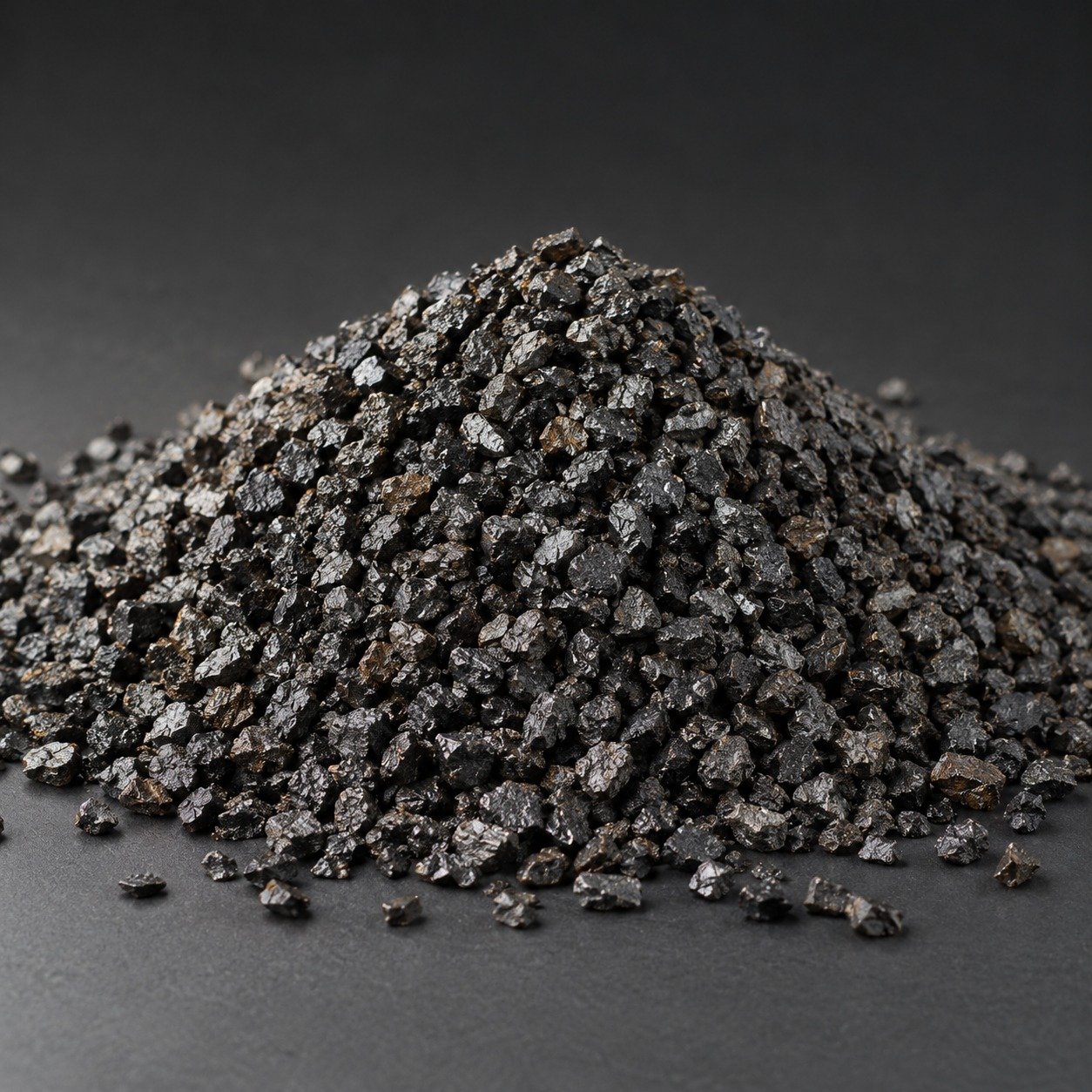
Abrasive slag is a blasting abrasive used to clean and prepare surfaces. It is produced from steel slag through an atomizing process, which turns the slag into small particles suitable for use in blasting equipment.
Buyers use it as an alternative to other common blasting materials such as sand and copper slag. The right choice depends on your equipment, the surface you are working on and the finish you need.
Understanding the material and the properties that influence blasting performance.
Slag is a by-product of steelmaking. In the atomizing process, molten steel slag is broken into small particles and then cooled, screened and graded. The result is a hard, angular-to-rounded abrasive that can be used in blasting.
For blasting, a few properties matter most. Particle size controls how fast the surface is cleaned and how rough it becomes. Hardness affects how well the abrasive cuts. Particle shape affects the surface profile it leaves. Cleanliness, such as low salt and dust content, matters for coating adhesion and for the working environment.
Because these properties vary between products, buyers should compare the specification against their equipment, the coating system and any project standards before ordering.
Influences cleaning rate and the surface profile achieved during blasting.
Affects abrasive cutting performance and material behaviour during blasting.
Influences the surface profile and cleaning characteristics.
Dust, salt and other contaminants should be considered when assessing suitability.
Abrasive slag for sandblasting and industrial surface preparation applications.
Our abrasive slag is produced through a steel slag atomizing process and supplied for sandblasting and surface preparation. It is offered as an alternative to blasting sand and copper slag.
Available grades and particle-size ranges should be confirmed with our team before placing an order.
Available grades: To be confirmed based on the current product specification.
Request Abrasive Slag SpecificationsAbrasive Slag
Steel slag atomizing process – confirm final process details.
Confirm current grades and particle-size ranges.
Request the latest product specification from our team.
Surface preparation requirements vary by project, material and coating specification.
In abrasive blasting, the slag is propelled at a surface by compressed air to remove rust, old coatings, mill scale and other contaminants. It also leaves a rough surface profile that helps new coatings stick. This is important when preparing steel before painting or coating.
Blasting is commonly used to prepare steel structures such as tanks, pipelines, bridges and ship hulls before coating. The grade should be chosen to match the required cleanliness and surface profile.
Abrasive slag may be suitable for open-site blasting and enclosed blasting systems, depending on the product specification, project requirements, equipment and applicable local regulations.
Each application should be checked against the relevant technical data sheet, equipment requirements and project specification.
Choosing the right blasting abrasive starts with understanding the application, material requirements and technical specifications.
Abrasive slag can be considered where buyers are looking for an alternative to sand or copper slag.
Tell us your equipment and the result you need, and we can discuss which available grade suits your application.
The product is made from steel slag through an atomizing process. Confirm the final manufacturing details before specification approval.
Request the technical data sheet and available specifications to compare product options.
Share your required grade, quantity, packaging and destination, and our team will review the options.
An overview of the processing stages. Final production and quality-control details should be confirmed with the manufacturer.
Steel slag is sourced as the raw material. Specific origin and supplier details are subject to confirmation.
Molten steel slag is broken into smaller particles through an atomizing process. Confirm the actual production method.
The particles are cooled and dried. Confirm the specific cooling and drying procedure with the manufacturer.
The product is separated into particle-size grades according to the available specifications.
Confirm whether dust, fines or foreign material are removed during processing.
Confirm the actual quality-control tests performed, such as sieve analysis, moisture or conductivity.
The finished material is packed according to confirmed packaging options and customer requirements.
Our logistics team coordinates dispatch and shipping arrangements based on the order and destination.
A technical data sheet helps you compare products and judge whether they suit your application. Contact our team to request the current product documentation.
| Product | Document | Availability |
|---|---|---|
| Abrasive Slag | Technical Data Sheet | Request TDS |
The grade you need depends on your equipment, the surface condition and the finish you want.
Always check the grade against your coating manufacturer's profile requirement and your blasting equipment.
Not sure which grade fits? Tell us your equipment, surface, intended coating and required result, and our team can review them against the available product information.
Contact Galaxy Minerals to discuss your blasting requirements. Share the grade, quantity, intended application and delivery destination so our team can review the relevant product and supply options.
Send an EnquiryDiscover other industrial minerals supplied by Galaxy Minerals.